

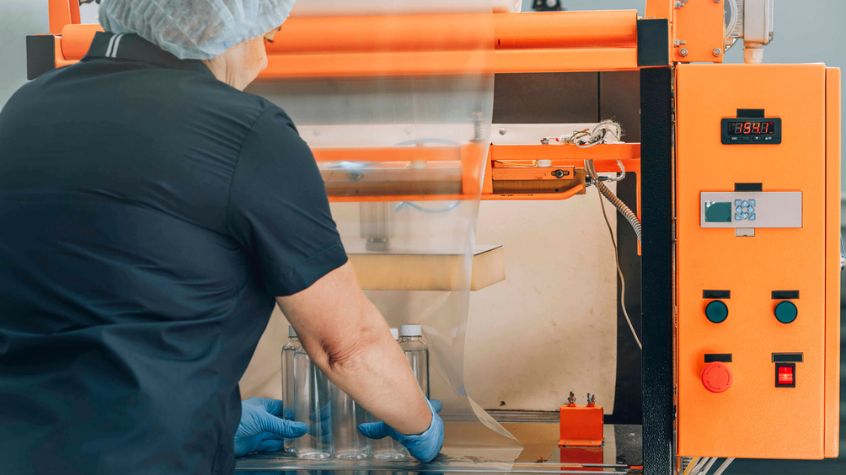
Operator performance plays a bigger role in packaging outcomes than many facilities expect. Even well-designed equipment can struggle when operators lack confidence, context, or hands-on experience. When you invest in operator training, you improve consistency, reduce avoidable downtime, and create a packaging line that runs predictably day after day. This is because operator training affects packaging quality by reducing setup errors, stabilizing adjustments, and improving decision-making under real production conditions.
Below is a practical look at how training directly affects packaging quality and uptime on the plant floor.
Why Does Operator Training Matter for Packaging Performance?
Operator training connects people to processes. When operators understand how equipment behaves under normal and abnormal conditions, they make better decisions faster.
Well-trained teams typically see:
- More consistent package quality
- Faster response to issues
- Fewer unnecessary adjustments
- Stronger ownership of line performance
Packaging operator training gives your team the ability to spot early warning signs before they become costly failures. This improves packaging outcomes without adding complexity to your operation.
How Does Training Help Improve Packaging Uptime?
Uptime is often lost in small increments. Minor issues add up when operators hesitate or misdiagnose problems.
Training helps improve packaging uptime by:
- Reducing trial and error adjustments
- Shortening response time during line stops
- Preventing repeat failures from improper resets
Operators who understand equipment logic and process flow are less likely to stop the line unnecessarily. That knowledge helps reduce packaging downtime while protecting throughput.
What Role Does Training Play in Packaging Quality?
Quality issues often stem from setup errors rather than material defects. Operator training improves quality by aligning technique with equipment capability. In practical terms, operator training affects packaging quality by ensuring machines are set, adjusted, and monitored the way they were designed to operate.
Training reduces quality issues related to:
- Incorrect machine setup
- Inconsistent film handling
- Overcorrection during adjustments
Packaging line efficiency training teaches operators how small changes affect seals, shrink appearance, and package stability. This knowledge leads to more uniform output across shifts.
How Does Training Speed Up Troubleshooting?
When issues occur, time matters. Operators with packaging line troubleshooting training can isolate the problem instead of guessing.
Effective troubleshooting training focuses on:
- Recognizing symptoms versus root causes
- Understanding how components interact
- Knowing when to escalate versus adjust
Instead of cycling through random changes, trained operators follow a logical sequence. That discipline reduces wasted material and helps restore production faster.
Why Is Field Based Training So Effective?
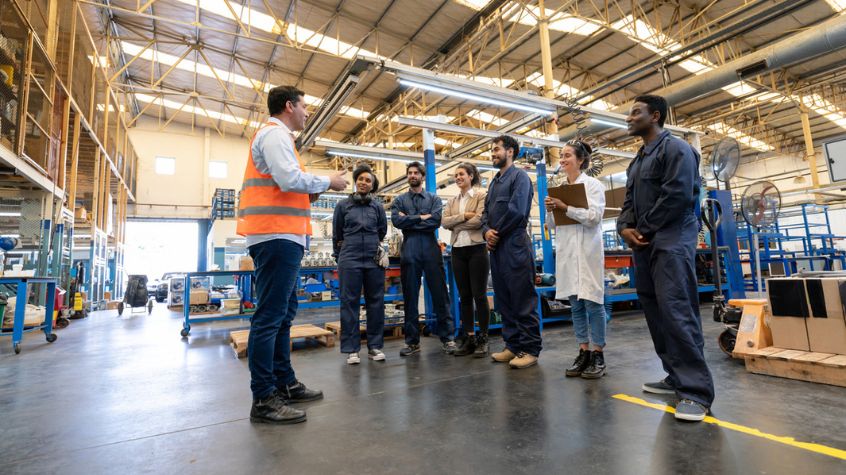
Classroom instruction has limits. Packaging equipment field training places learning directly on the line where real conditions exist.
Field training benefits include:
- Immediate application of concepts
- Exposure to real production variables
- Stronger retention through hands-on practice
Packaging equipment field support reinforces this learning by addressing issues as they happen. Operators gain confidence knowing help is available when conditions change.
How Does Ongoing Education Support Long-Term Stability?
Training is not a one-time event. Equipment evolves, materials change, and production demands shift.
Ongoing education helps by:
- Keeping operators aligned with current best practices
- Preventing skill erosion over time
- Supporting continuous improvement efforts
A structured plant operations training program builds resilience into your workforce. That resilience translates into steadier output and fewer emergency interventions.
What Is the Link Between Training and Workforce Engagement?
Operators who understand their equipment feel more in control of outcomes. That sense of control improves engagement and accountability.
Well-trained teams often show:
- Higher confidence during problem-solving
- Better communication between shifts
- Greater pride in quality results
Industry research supports this connection, with teams benefiting from upskilling for manufacturing employees.
How Can SPS70 Support Operator Training and Uptime?
Training is most effective when paired with real-world support. SPS70 combines operator education with hands-on expertise to support consistent packaging performance.
You can rely on experienced technicians through our field support, strengthen your team with operator training, and understand regional availability using our coverage map.
Why Training Is a Competitive Advantage
Operator training is not just an operational expense. It is a strategic investment in reliability, quality, and uptime. Over time, facilities see that operator training affects packaging quality and uptime together, creating a more stable operation that can handle change without constant intervention. When operators understand equipment behavior, troubleshooting logic, and performance limits, packaging lines become more predictable, costs decrease, and output is protected even as demands increase.
If you want help improving packaging quality and uptime, contact us to discuss your operation and get started.