

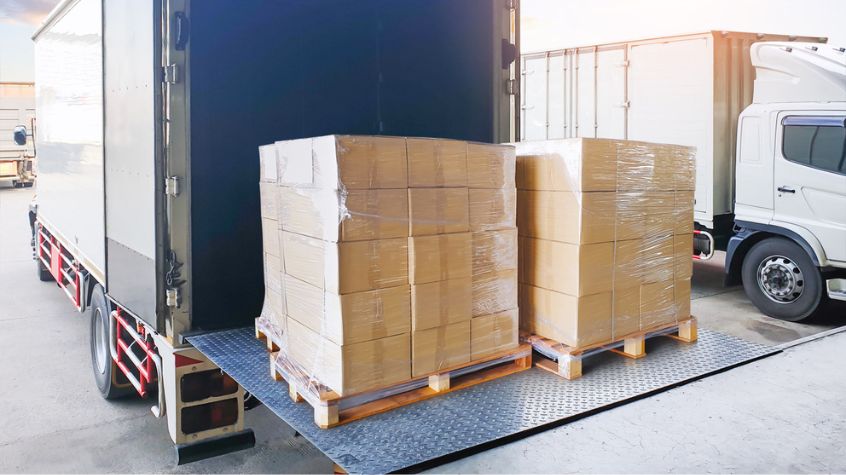
Summer heat and humidity impact packaging material performance in significant ways by weakening adhesives, changing film behavior, increasing condensation, and creating handling challenges across production, storage, and shipping environments. If temperatures and moisture levels are not managed properly, even well designed packaging systems can experience seasonal packaging issues that affect quality, uptime, and supply chain efficiency.
Understanding how environmental conditions influence packaging materials helps you reduce waste, prevent damage, and maintain consistency throughout warmer months.
How Does Summer Heat Affect Packaging Materials?
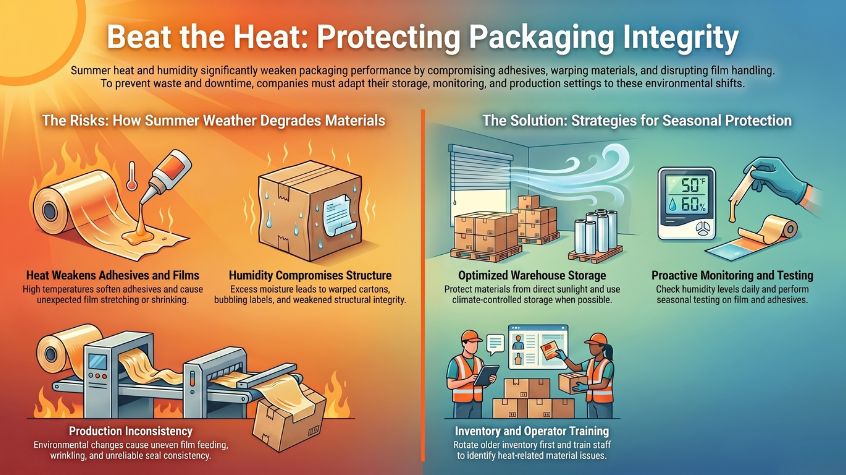
Summer heat changes how many packaging materials behave during production, storage, and transport. Higher temperatures often soften adhesives, alter film tension, and reduce structural strength.
Heat and packaging materials often become a concern when products move through non-climate-controlled warehouses or shipping networks.
Common heat related packaging issues include:
- Weakened adhesive performance
- Distorted or warped cartons
- Reduced seal consistency
- Film stretching or shrinking unexpectedly
- Product movement inside packaging
For manufacturers using heat shrink packaging, excessive temperatures can create problems with film handling and package appearance if conditions are not monitored closely.
In many facilities, small environmental changes compound over time and gradually reduce packaging material performance without immediately obvious warning signs.
Why Does Humidity Create Seasonal Packaging Issues?
Humidity affects packaging by introducing moisture into materials that were designed to remain stable in dry conditions.
Humidity and packaging challenges commonly appear through swelling, softening, condensation, or weakened structural performance.
High humidity may lead to:
- Cartons absorbing moisture and warping
- Labels loosening or bubbling
- Adhesives losing strength
- Increased condensation inside packaged products
- Film handling becoming inconsistent
For food, beverage, and consumer product manufacturers, humidity can directly affect product protection and shelf presentation.
Packaging teams focused on long term reliability often evaluate materials more carefully during seasonal transitions to reduce seasonal packaging issues before failure rates increase.
How Does Summer Heat Impact Warehouse Packaging Storage?
Storage environments strongly influence material quality before packaging ever reaches the production floor.
Warehouse packaging storage conditions become increasingly important during summer because elevated temperatures can damage films, adhesives, and corrugated materials long before use.
Best practices for storage include:
- Keeping materials away from direct sunlight
- Monitoring warehouse humidity levels
- Rotating older inventory first
- Avoiding extreme temperature swings
- Using climate-controlled storage when possible
Even short periods of excessive heat exposure may affect adhesive performance and material flexibility.
Businesses focused on protecting product quality often improve warehouse packaging storage processes before peak summer temperatures arrive.
Why Do Film Handling Problems Increase in Hot Weather?
Hot temperatures change the flexibility and tension of packaging films. This creates handling inconsistencies during production.
Signs of film handling problems include:
- Uneven feeding during packaging runs
- Increased wrinkling or stretching
- Seal inconsistencies
- Material sticking during processing
When film performance changes unexpectedly, packaging line operators may spend extra time making adjustments that slow production.
Seasonal testing often improves packaging system optimization by helping teams understand how materials behave under changing environmental conditions.
How Can Companies Prevent Packaging Damage During Hot and Humid Months?
Packaging damage prevention starts with identifying environmental risks before they affect output quality.
Several practical steps can reduce warm weather packaging failures.
Helpful prevention strategies include:
- Reviewing warehouse conditions regularly
- Monitoring humidity levels daily
- Testing film and adhesive performance seasonally
- Rotating packaging inventory more frequently
- Adjusting packaging settings based on environmental conditions
- Evaluating seal integrity during hotter months
Strong packaging damage prevention practices help protect both product quality and supply chain efficiency.
Packaging disruptions often create delays and customer complaints that cvan often cause higher operating costs and supply chain disruptions.
How Do Heat and Humidity Affect Production and Distribution?
Production environments become more difficult to manage when packaging materials react unpredictably to changing temperatures.
Heat related production challenges may include:
- Reduced adhesive reliability
- Changes in stretch wrap tension
- Seal integrity concerns
- Product instability during transport
Distribution environments add another layer of complexity because trucks, warehouses, and loading areas frequently experience temperature spikes.
Businesses focused on supply chain efficiency often review packaging performance across both production and logistics to reduce seasonal disruptions.
Greater automation, stronger material adaptability, and improved environmental monitoring are expected to shape future packaging and supply chain strategies as seasonal disruptions become harder to ignore.
How Can Packaging System Optimization Improve Summer Performance?
Packaging system optimization improves consistency by evaluating the full packaging environment rather than isolated problems.
Optimization often includes:
- Reviewing material compatibility
- Evaluating storage conditions
- Monitoring production settings
- Testing equipment performance seasonally
- Training operators to spot environmental issues faster
Long term success usually comes from balancing materials, equipment, and operational conditions together.
Why Does Ongoing Support Matter During Seasonal Changes?
We know environmental conditions constantly change, which means packaging systems need to adapt throughout the year. Summer heat and humidity impact packaging material, handling, seal quality, and overall consistency in ways that are easy to overlook until problems start affecting production.
That is why we take a broader approach to packaging performance. We call it the SPS difference, and it means we help companies evaluate the full packaging environment, from materials and storage conditions to equipment performance and operational consistency. The right material choices are especially important when seasonal conditions begin affecting packaging results. We also believe long term consistency starts with knowledgeable operators, so ongoing support can help teams recognize environmental changes before they turn into downtime or packaging failures.
If you’d like some help evaluating your operation, contact us to identify opportunities for better packaging performance, consistency, and long term efficiency.