How to Diagnose and Fix Common Shrink Packaging Issues
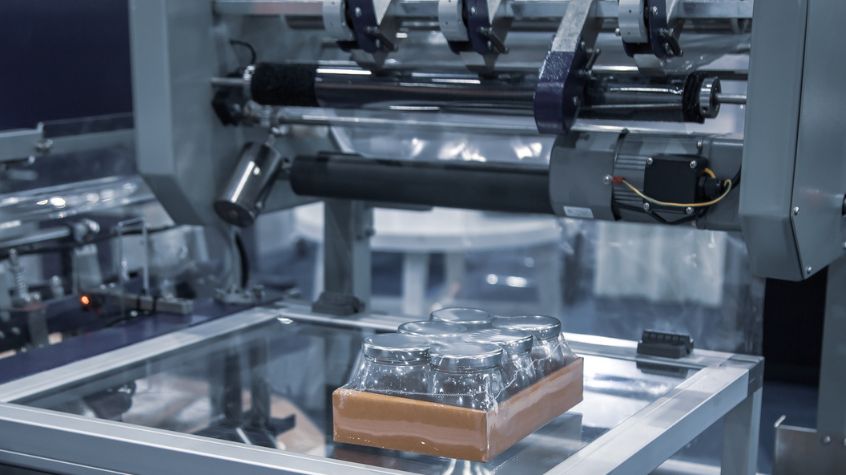
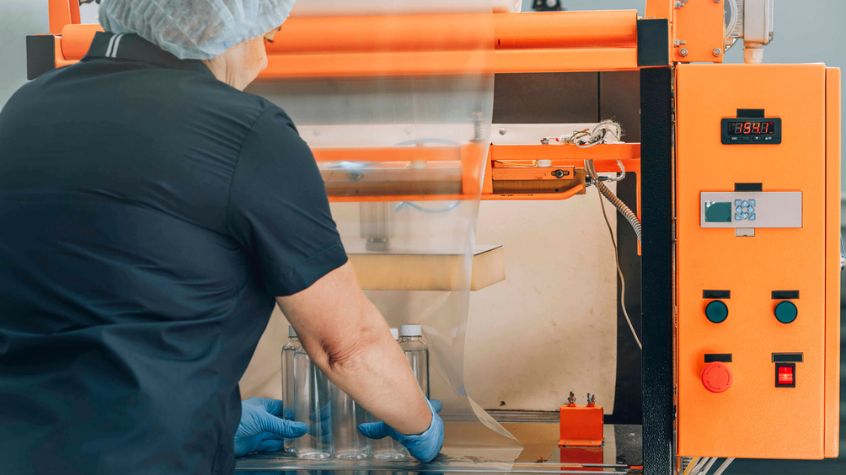
Shrink packaging problems rarely come out of nowhere. Most start as small inconsistencies that gradually affect seal quality, appearance, throughput, and material waste. When you

Shrink packaging problems rarely come out of nowhere. Most start as small inconsistencies that gradually affect seal quality, appearance, throughput, and material waste. When you

Global supply chains are entering a new phase shaped by smarter technology, sustainability, and regional adaptability. As 2026 approaches, companies are focusing on efficiency and resilience, rethinking how packaging, data, and operations connect.

In the packaging industry, design decisions carry more weight than ever before. Every dimension, material, and feature affects not only how a product looks and performs but also how much it costs to produce and how sustainable it is to ship and store.

At its core, packaging material optimization is about finding the right balance between cost, sustainability, and performance. It’s the process of strategically evaluating and improving packaging choices to reduce waste, lower expenses, and create solutions that are strong, efficient, and environmentally responsible.

Choosing the right packaging material is a critical decision that affects more than just product appearance. It determines how well your items are protected, how efficiently they move through the supply chain, and how well your business meets compliance and sustainability goals.

The One Big Beautiful Bill Act, signed into law on July 4, 2025, has brought significant changes to tax policy, especially for manufacturers looking to invest in packaging automation equipment

The role of graphic design in packaging and brand recognition is to be a silent salesperson, working around the clock to grab attention

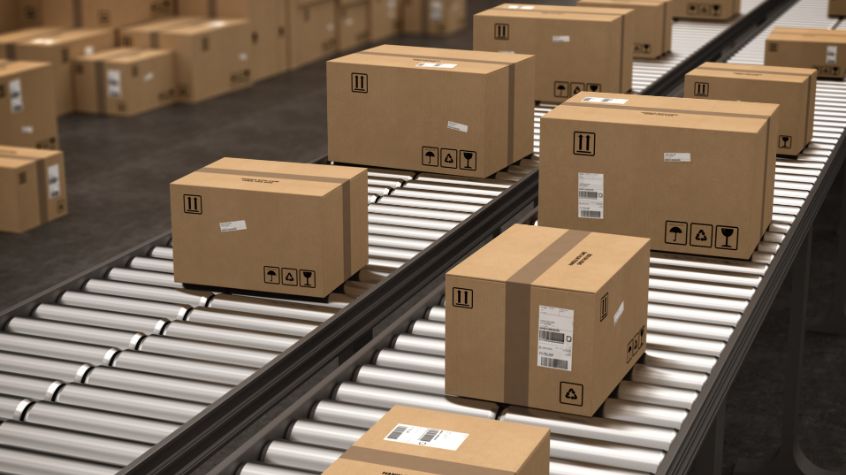
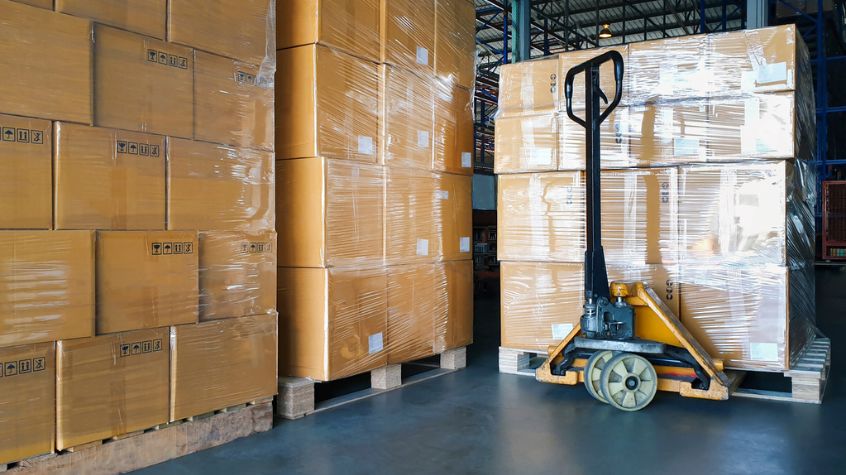
When it comes to getting your products from the production line to the consumer, packaging is a critical element of your supply chain. It directly impacts product safety, regulatory compliance, retail performance, and storage efficiency.

Flexible plastic packaging has become a go-to choice for many brands due to its durability, lightweight structure, and ability to preserve product freshness. The global market for flexible plastic packaging reached approximately $200 billion in 2023, driven by industries that rely on cost-effective, high-performance materials.

Sustainable packaging is evolving rapidly, driven by consumer demand, regulatory changes, and new technological advancements. Companies are exploring packaging solutions that reduce environmental impact while maintaining efficiency and cost-effectiveness. In 2025, several trends are expected to gain traction as brands push for more responsible packaging practices.