

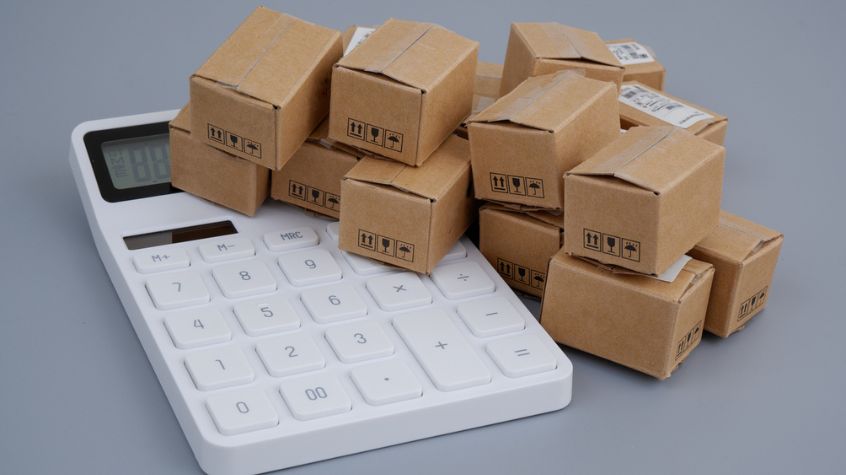
Packaging costs can add up quickly when materials, labor, equipment, freight, storage, and product protection are considered together. A packaging format that appears inexpensive on its own may create higher costs elsewhere if it slows production, uses too much material, increases shipping weight, or fails to protect the product adequately.
Packaging optimization takes a broader view. Instead of asking how to make one component cheaper, you evaluate the entire packaging process to determine how materials, package design, equipment, labor, shipping, and storage can work together more efficiently.
Shrink Packaging Systems (SPS) helps manufacturers and distributors identify these opportunities through packaging engineering services, material evaluation, and integrated packaging solutions designed around real operating conditions.
What Is Packaging Optimization?
Packaging optimization is the process of improving a packaging system so it provides the required protection and performance while minimizing unnecessary cost, material use, labor, and supply chain inefficiencies.
An effective Packaging Material Optimization process may examine:
- Whether packaging materials are heavier or thicker than necessary
- Whether shrink films are properly matched to the product and equipment
- Whether protective packaging materials are preventing movement and damage efficiently
- Whether package dimensions are increasing freight or storage costs
- Whether custom packaging design could reduce material usage
- Whether packaging equipment is operating at an efficient speed
- Whether too many different materials or package sizes are being stocked
The goal is to find the right combination of protection, performance, sustainability, and cost rather than simply reducing packaging at every opportunity.
How Can Packaging Optimization Lower Costs?
The price you pay for packaging materials is only one part of the total cost. A lower-priced shrink film, for example, may not actually save money if it causes more film breaks, requires additional material per package, slows the packaging line, or produces inconsistent seals.
Packaging optimization looks for savings throughout the operation.
Potential improvements include:
- Lower material consumption: Using the appropriate film gauge, cushioning level, container size, or other material specification can reduce unnecessary consumption.
- Faster packaging operations: Materials and equipment that work properly together can increase throughput and reduce labor requirements.
- Lower freight costs: Smaller and lighter packages may reduce dimensional weight and allow more products to fit on pallets or trailers.
- Less product damage: Proper protective packaging materials can reduce returns, replacements, repacking, and repeat shipping.
- Reduced storage requirements: Standardizing package sizes and reducing excess inventory can free valuable warehouse space.
- Simplified purchasing: Consolidating materials and suppliers may reduce administrative work and make inventory easier to manage.
These improvements contribute directly to greater supply chain efficiency because packaging affects far more than the packaging line itself.
What Does the Lowest Cost per Packaged Unit Really Mean?
The lowest cost per packaged unit is not necessarily achieved by buying the least expensive packaging material. You need to consider all the costs required to package, protect, store, and deliver the product successfully.
For example, imagine two shrink films. One costs slightly less per roll, but it requires additional film per package and generates more downtime because of inconsistent performance. The more expensive film may deliver a lower cost per packaged unit if it runs more efficiently and uses less material.
The same principle applies to protective packaging materials, flexible packaging, corrugated products, labels, and other packaging components.
A complete calculation may include:
- Packaging material costs
- Labor
- Machine operating time
- Waste and scrap
- Freight
- Storage
- Product damage
- Returns and replacements
- Maintenance and downtime
Looking at the complete cost prevents you from making a decision that saves money in one area while increasing expenses somewhere else.
What Are Some Practical Packaging Optimization Examples?
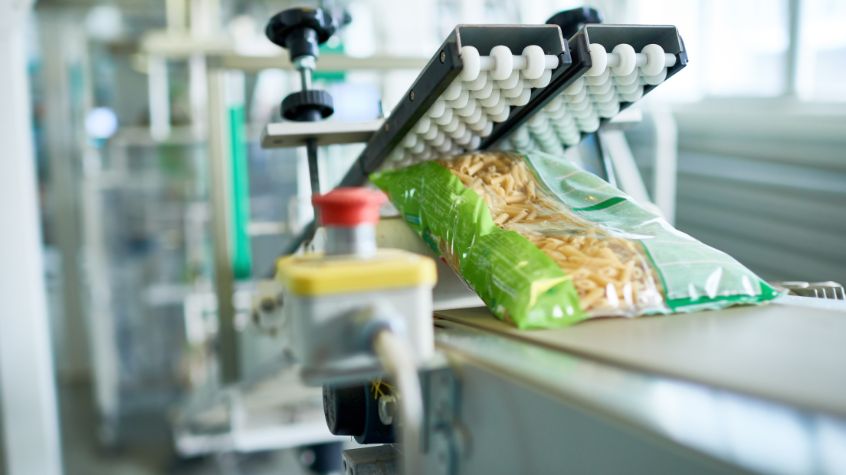
Packaging optimization does not always require a major redesign. Small changes can produce meaningful savings when repeated across thousands or millions of packages.
Consider these examples:
- Reducing shrink film usage: A properly selected film may achieve the required strength and clarity at a lower gauge, reducing the amount of material used per package.
- Right-sizing packaging: Reducing unnecessary package dimensions can lower material consumption while improving pallet density and transportation efficiency.
- Improving product protection: Strategic cushioning, inserts, or other protective packaging materials can reduce damage without surrounding the product with excessive material.
- Standardizing materials: Reducing the number of packaging SKUs can simplify purchasing and warehouse inventory.
- Improving equipment compatibility: Matching films and other materials to existing machinery can improve throughput and reduce stoppages.
- Redesigning package structures: A thoughtful custom packaging design can reduce costs and material waste by eliminating unnecessary components and making better use of each material.
These examples demonstrate why packaging decisions should be based on total performance rather than unit price alone.
Can Packaging Optimization Support Sustainability?
Yes. Cost reduction and sustainability frequently overlap because both can involve reducing unnecessary material and waste.
Optimization may help you:
- Use less material per package
- Reduce packaging scrap
- Choose recyclable materials where appropriate
- Improve package sizing
- Reduce damaged products and replacement shipments
- Eliminate redundant packaging components
Resources such as How2Recycle can also help businesses and consumers better understand recycling instructions and packaging disposal.
Sustainability should still be evaluated alongside performance. Replacing a proven material with a lighter or more recyclable option only makes sense if the new package continues to protect the product and function reliably throughout distribution.
A focused approach to packaging material optimization can improve performance while reducing unnecessary material use, helping you balance environmental objectives with real operational requirements.
What Should You Include in a Packaging Optimization Checklist?
A short evaluation can reveal areas that deserve closer attention. Ask:
- Are your products consistently arriving without damage?
- Are you using more packaging material than necessary?
- Could shrink film gauge or material specifications be improved?
- Is your packaging appropriately sized for the product?
- Are packaging materials running efficiently on your equipment?
- Are you paying to ship unnecessary weight or empty space?
- Could protective materials be positioned more strategically?
- Are too many packaging materials or sizes stocked?
- Can recyclable or reduced material options meet performance requirements?
- Do you know your true cost per packaged unit?
If several of these questions identify potential problems, a more detailed evaluation may uncover worthwhile savings.
Optimize the Entire Packaging Process
Packaging optimization is ultimately about finding the right balance. Using less material is helpful only when the package still performs. Paying less for material matters only when it does not increase labor, downtime, shipping expenses, or damage.
SPS combines packaging engineering services, material expertise, custom packaging design, and integrated packaging solutions to evaluate packaging as a complete system. Whether you use shrink films, protective materials, corrugated products, or a combination of packaging formats, the objective is the same: protect the product efficiently while working toward the lowest cost per packaged unit.
If packaging expenses, material waste, production inefficiencies, or product damage are creating unnecessary costs, contact SPS to evaluate practical opportunities for improving your packaging operation.