

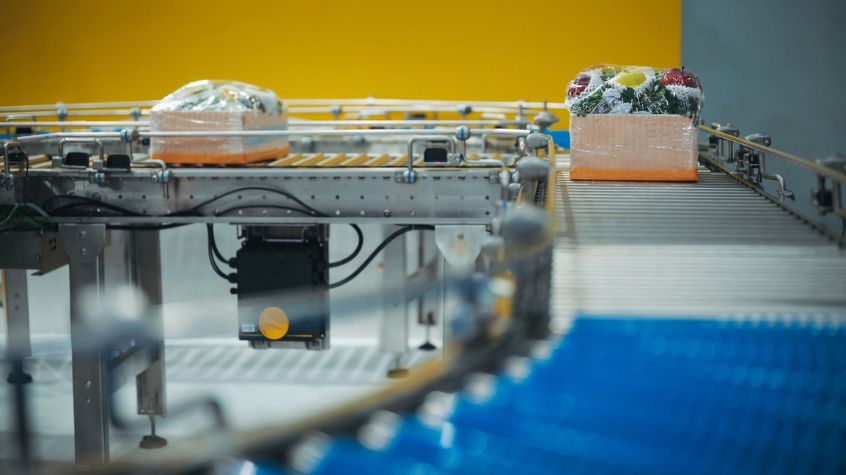
Your packaging equipment may be operating as designed, but is your entire packaging line performing as efficiently as it should?
As production demands increase, equipment that once worked well together can become a source of bottlenecks, delays, and unnecessary labor. Adding new machinery without considering how it interacts with existing systems can make these challenges worse.
Packaging system integration helps manufacturers improve productivity by coordinating equipment, conveyors, material handling, and supporting processes into a more efficient operation. Rather than replacing everything, the goal is to identify what is slowing production and determine which improvements will deliver the greatest value.
Knowing when to consider integration can help you make better equipment decisions, control operating costs, and maintain consistent production.
What Is Packaging System Integration, and How Does It Work?
Packaging system integration is the process of connecting and coordinating packaging equipment, conveyors, material handling systems, and related processes so they function as a unified production line.
An integrated packaging system considers how products move between machines, how equipment communicates, and whether each stage can support the required production speed.
For example, a manufacturer might have an efficient shrink-wrapping machine but experience delays because products are transferred manually from upstream equipment. Integrating a conveyor system could improve product flow without replacing the existing wrapper.
Successful integration requires evaluating the complete packaging process, including equipment compatibility, production requirements, facility layout, and packaging materials.
Through Packaging Engineering & Design, SPS helps manufacturers evaluate these factors and develop solutions suited to their operations.
What Are the Signs Your Packaging Line Needs Better Integration?
Packaging inefficiencies often develop gradually. A line that once met production targets may struggle as demand increases, products change, or additional equipment is introduced.
Several warning signs suggest that packaging system integration deserves consideration.
1. Are Production Bottlenecks Becoming More Frequent?
If products consistently accumulate between machines, one stage of your packaging process may be operating slower than the others.
For example, a high-speed packaging machine offers limited value if downstream equipment cannot process finished packages at a comparable rate.
Integration can help balance equipment speeds, improve product transfers, and reduce unnecessary interruptions.
2. Does Your Packaging Line Require Excessive Manual Handling?
Employees may spend considerable time transferring products, repositioning packages, or correcting material flow problems.
Although some manual handling is necessary, repetitive transfers between automated packaging systems can create inefficiencies and increase the potential for errors.
Integrating conveyors and material handling equipment can reduce unnecessary movement while allowing employees to focus on higher-value responsibilities.
3. Is Your Production Throughput Inconsistent?
Does your packaging line perform well during one shift but struggle during another?
Inconsistent throughput may result from poorly coordinated equipment, irregular product feeding, material problems, or frequent adjustments.
Packaging optimization can help identify these variations and establish more predictable operating conditions.
4. Are Equipment Breakdowns and Maintenance Interruptions Increasing?
Recurring jams, alignment problems, and unexpected shutdowns may indicate that individual machines are not working effectively together.
Sometimes the problem is not a failing machine but the way products enter or exit it.
Evaluating equipment interactions can reveal opportunities for targeted repairs, modifications, or improved coordination.
SPS offers Design Improvements & Maintenance services to help manufacturers address equipment performance and reliability concerns.
How Can Integrated Packaging Solutions Improve Productivity?
Integrated packaging solutions improve productivity by reducing unnecessary interruptions and helping equipment operate together more consistently.
Potential benefits include:
- Improved production flow: Coordinated equipment and conveyors help products move efficiently between packaging stages.
- Reduced manual handling: Appropriate automation minimizes repetitive product transfers and operator intervention.
- More consistent throughput: Balanced equipment capacities help reduce product accumulation and unexpected delays.
- Better packaging quality: Consistent product positioning and handling can reduce packaging defects and rework.
- Improved supply chain efficiency: Reliable packaging output supports more predictable downstream handling, warehousing, and shipping.
These improvements depend on identifying the actual causes of inefficiency rather than simply increasing individual machine speeds.
Industry research reinforces this approach. According to PMMI’s 2025 Performance Optimization: Insights for Packaging Line Readiness, 78% of participants identified productivity as their top priority. The report also emphasizes equipment readiness, operator training, and better coordination between manufacturing technologies.
The findings highlight why packaging performance should be evaluated across the entire operation rather than one machine at a time.
How Can Smart Monitoring Software Improve Packaging Line Performance?
Modern packaging system integration can extend beyond physical equipment to include software that monitors production performance and maintenance needs. These technologies give manufacturers greater visibility into how their packaging lines operate, helping them identify inefficiencies and make more informed decisions.
For example, solutions like Lantech’s LINC (Lantech Intelligent Network Connection) allow manufacturers to remotely monitor compatible equipment, track performance metrics, receive downtime alerts, and identify maintenance concerns before they lead to larger disruptions.
Depending on the equipment and monitoring capabilities available, these systems can help manufacturers:
- Monitor production throughput: Track equipment output and identify performance trends that may indicate bottlenecks.
- Reduce unplanned downtime: Receive alerts about equipment issues and address developing problems more proactively.
- Improve maintenance planning: Use performance data to identify recurring issues and better schedule maintenance activities.
- Make data-driven improvements: Evaluate equipment efficiency and identify opportunities to optimize packaging operations.
When evaluating packaging system integration, manufacturers should also consider whether monitoring software and equipment connectivity could provide additional insight into their operations. The right combination of equipment, automation, and performance monitoring can support more consistent production and long-term efficiency.
Why Are Conveyors, Material Handling, and Equipment Compatibility Important?
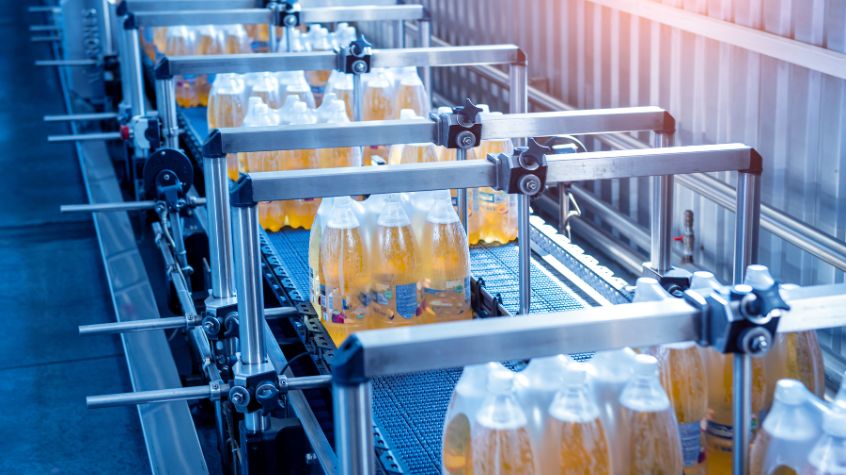
Conveyors and material handling systems connect individual packaging operations. Their design can directly affect how efficiently products move through your facility.
Poor conveyor placement, inadequate accumulation capacity, or inconsistent product spacing can interrupt otherwise reliable packaging equipment.
Equipment compatibility is equally important. Machines must be able to accommodate product dimensions, packaging materials, operating speeds, and required control functions.
Packaging engineering services help manufacturers evaluate these relationships before making changes.
Material selection also matters. Films and other packaging materials must perform reliably with the equipment and processes using them.
Through Material Optimization, SPS helps manufacturers examine opportunities to improve material performance and packaging efficiency.
Should You Optimize Existing Packaging Equipment or Invest in New Systems?
You do not always need to replace your existing industrial packaging equipment to improve performance.
In many cases, targeted modifications can address production problems more economically than installing an entirely new system.
Consider optimizing existing equipment when:
- Your machines remain mechanically reliable but require better coordination.
- Bottlenecks occur primarily during product transfers.
- Conveyor modifications could improve production flow.
- Packaging material adjustments could improve machine performance.
- Maintenance or equipment upgrades could resolve recurring problems.
New packaging equipment may be more appropriate when existing machinery cannot meet production requirements, lacks necessary capabilities, or has become increasingly difficult to maintain.
The best approach starts with a comprehensive evaluation of your current operation, production goals, and long-term requirements.
How Does Maintenance and Life-Cycle Support Protect Packaging Performance?
Packaging system integration is not necessarily a one-time project. Equipment performance can change as production volumes, packaging formats, and operating conditions evolve.
Regular maintenance, inspections, operator training, and timely equipment adjustments help preserve the benefits of integration.
Packaging equipment life-cycle support also helps manufacturers identify developing problems before they result in extended downtime.
SPS provides Field Support to help manufacturers maintain equipment performance and address operational challenges as their needs change.
Frequently Asked Questions About Packaging System Integration
- What is packaging system integration? Packaging system integration involves coordinating packaging machines, conveyors, material handling equipment, and supporting processes to improve production flow, consistency, and efficiency.
- How do I know if my packaging line needs integration? Frequent bottlenecks, excessive manual handling, inconsistent throughput, and recurring equipment interruptions are common indicators. A packaging system evaluation can help identify whether integration would improve performance.
- Can existing packaging equipment be integrated with newer systems? Yes. Many existing machines can be integrated with newer equipment through conveyor modifications, control upgrades, or other engineering improvements. Compatibility and equipment condition should be evaluated first.
- How does packaging system integration improve productivity? Integration can improve productivity by reducing delays between machines, minimizing unnecessary handling, balancing equipment speeds, and creating more consistent packaging operations.
- Can packaging system integration include production monitoring software? Yes. Depending on equipment compatibility, packaging system integration can incorporate monitoring software that tracks production throughput, equipment performance, downtime, and maintenance needs. These tools help manufacturers identify inefficiencies and make informed decisions about improving packaging line performance.
Is It Time to Improve Your Packaging Operation?
If your packaging line experiences recurring bottlenecks, inconsistent output, or excessive manual handling, greater system integration may help improve performance.
The right solution might involve new equipment, but it could also be as straightforward as improving conveyor flow, modifying existing machinery, or optimizing packaging materials.
SPS (Shrink Packaging Systems) works with manufacturers to evaluate existing packaging operations, identify improvement opportunities, and develop practical solutions through packaging engineering, material optimization, equipment improvements, and ongoing support.Contact SPS to discuss your current packaging challenges and explore how integrated packaging solutions can help create a more efficient, reliable, and productive operation.