


Protective packaging does more than keep a product inside a box. The materials you choose can determine whether your products arrive intact, whether your shipping process runs efficiently, and how much packaging waste and unnecessary cost your operation generates.
The goal should not automatically be to add more packaging. In many cases, better protection comes from using the right combination of protective packaging materials based on your product, shipping environment, and handling requirements.
As a protective packaging supplier, Shrink Packaging Systems (SPS) helps manufacturers and distributors evaluate these variables and develop practical protective packaging solutions. SPS offers a broad selection of packaging materials along with packaging engineering services that can help you improve protection without overpackaging.
What Are the Best Packaging Materials for Shipping?
There is no single material that qualifies as the best choice for every shipment. The best packaging materials for shipping depend on what you are protecting and what the package will experience between your facility and its final destination.
Common options include:
- Corrugated boxes: Provide structure, stacking strength, and exterior protection for products ranging from lightweight consumer goods to heavier industrial items.
- Bubble cushioning: Helps protect fragile surfaces and absorb shocks while adding relatively little weight to the package.
- Air pillows: Fill open spaces and prevent products from moving around inside cartons without adding substantial package weight.
- Paper cushioning: Can provide blocking, bracing, and cushioning while offering a paper based option for companies pursuing sustainable shipping packaging goals.
- Foam packaging: Offers substantial cushioning and can be useful for fragile, irregularly shaped, or particularly sensitive products.
- Corrugated inserts: Hold products in position and can separate multiple components inside a package.
SPS offers several void fill and bubble wrap solutions that can be matched to different product and distribution requirements.
How Do You Choose Protective Packaging Materials?
Start by understanding the risks your package will face. Choosing packaging based solely on price or what has traditionally been used can result in either inadequate protection or unnecessary material consumption.
Consider these factors:
- Fragility: Glass, electronics, instruments, and other delicate products may require greater shock absorption than durable consumer goods.
- Weight: Heavy products may compress lightweight cushioning materials and require stronger blocking or bracing.
- Size and shape: Irregular products may need customized inserts or cushioning that prevents contact with the outer container.
- Shipping method: Parcel delivery, truckload freight, less than truckload shipping, and air transportation can expose packages to different levels of handling and vibration.
- Environmental conditions: Humidity, temperature changes, moisture, dust, and other conditions may influence material selection.
- Handling frequency: Packages moving through several distribution centers may experience considerably more handling than products shipped directly from your facility to a customer.
Understanding packaging requirements for shipping, retail, and storage can help you choose materials that protect products throughout handling, distribution, display, and warehousing.
What Types of Protective Packaging Are Available?
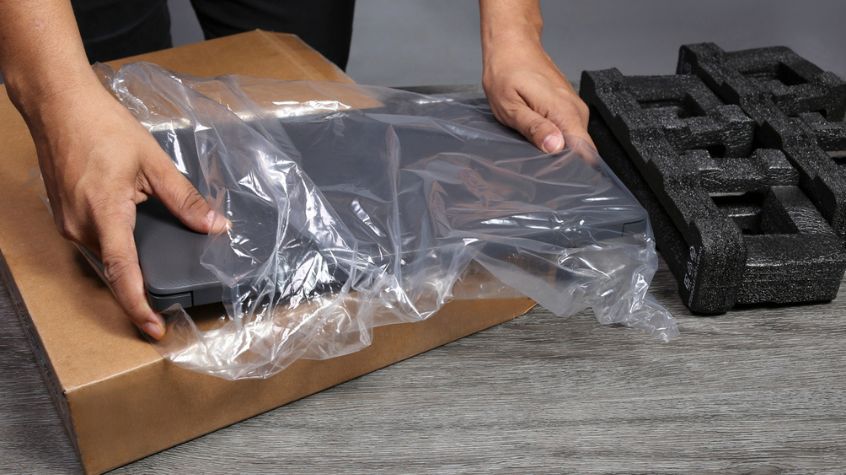
The different types of protective packaging generally perform one or more specific functions. Understanding those functions can help you avoid adding materials that contribute little to actual protection.
The primary functions include:
- Cushioning: Absorbs shocks and reduces the forces transferred to fragile products.
- Void filling: Occupies unused space so products cannot move excessively inside the shipping container.
- Blocking and bracing: Holds heavier products securely in position.
- Surface protection: Prevents scratching, scuffing, and cosmetic damage.
- Separation: Keeps individual products or components from contacting one another.
A good packaging system may combine several of these functions. For example, a fragile component might use a corrugated insert for positioning, cushioning around vulnerable areas, and void fill to eliminate movement elsewhere in the carton.
How Can Packaging Optimization Reduce Shipping Damage?
Packaging optimization means finding the appropriate level of protection without automatically increasing material usage.
If products frequently arrive damaged, simply adding more cushioning may seem like the obvious solution. However, the actual problem could be an oversized carton, poor product positioning, inadequate corrugated strength, or cushioning material that does not perform appropriately for the product’s weight.
Effective packaging optimization can involve:
- Reducing unnecessary empty space.
- Selecting cushioning appropriate for product weight.
- Improving carton dimensions.
- Strengthening vulnerable areas rather than the entire package.
- Preventing product movement.
- Testing alternative material combinations.
- Reviewing damage patterns and customer returns.
Understanding freight damage rates and common causes of shipping damage can help illustrate why packaging, handling, load security, and transportation conditions all need to be considered together.
Can Protective Packaging Support Sustainability Goals?
Yes. Sustainable shipping packaging does not have to mean sacrificing product protection. In fact, packaging that prevents damage can itself support sustainability because damaged products may need to be replaced, repackaged, and shipped again.
You can improve sustainability by evaluating:
- Recyclable packaging materials.
- Materials containing recycled content.
- Paper based cushioning and void fill.
- Right sized cartons.
- Lightweight protective materials.
- Reusable packaging where appropriate.
- Designs that eliminate unnecessary layers or components.
The objective is to use sustainable packaging materials where they make practical sense while maintaining the protection required by the product.
When Should You Consider Packaging Engineering Services?
If you experience recurring damage, rising material costs, inconsistent packaging performance, or excessive packaging waste, it may be time for a more detailed evaluation.
Packaging engineering services can help determine whether your current materials are properly matched to your products and distribution conditions. Instead of evaluating the box, cushioning, void fill, and other components independently, you can look at the package as a complete system.
SPS works with customers to identify protective packaging solutions that balance:
- Product protection
- Material consumption
- Shipping efficiency
- Labor requirements
- Packaging costs
- Sustainability objectives
Choosing Protection Based on Your Actual Application
The most effective protective packaging system is rarely the one containing the most material. It is the one designed around the actual risks your product faces.
By considering fragility, weight, dimensions, handling, transportation conditions, and sustainability goals together, you can develop packaging that protects products while improving efficiency and controlling costs.
If you want help evaluating your current protective packaging materials or identifying better options for a particular application, contact SPS to discuss your packaging requirements.