

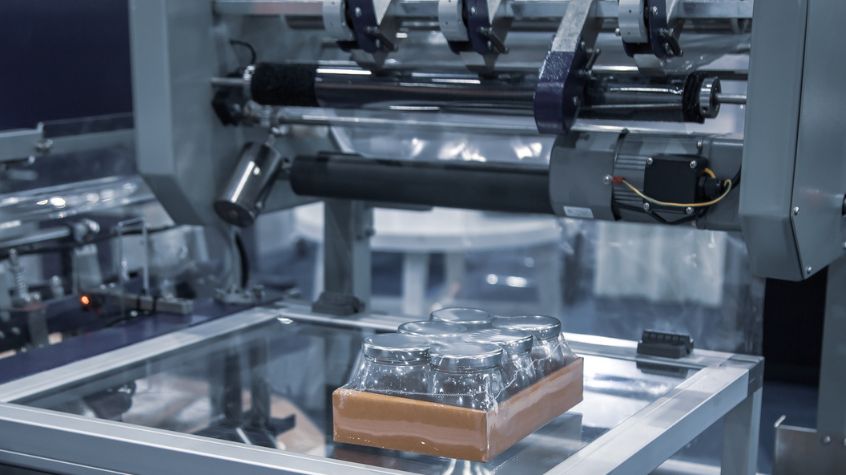
Shrink packaging problems rarely come out of nowhere. Most start as small inconsistencies that gradually affect seal quality, appearance, throughput, and material waste. When you treat shrink packaging troubleshooting as a structured diagnostic process, you can identify root causes faster and correct them before they disrupt production.
This guide is designed to help you fix common shrink packaging issues by answering the questions operators and managers ask most often on the floor.
Why Is My Shrink Wrap Not Sealing Properly?
Shrink wrap seal failures are among the most common packaging complaints. Weak or inconsistent seals can compromise load stability and product protection.
Common symptoms include
- Seals pulling apart after cooling
- Burned or distorted seal areas
- Incomplete or uneven seals across the package
Typical causes
- Incorrect seal temperature or dwell time
- Contaminants on the seal area
- Worn or misaligned sealing components
Shrink wrap seal failure fix steps
- Verify temperature settings against film specifications
- Clean seal bars regularly to remove residue
- Inspect seal bar alignment and replace worn coverings
When seals vary from package to package, it often points to packaging seal alignment problems rather than film defects.
How Do I Identify Shrink Film Quality Problems?
Not all packaging issues originate with the machine. Shrink film quality problems can affect performance even when equipment settings are correct.
Signs of film related issues
- Excessive wrinkles or dog ears
- Film tearing during sealing
- Cloudy or inconsistent appearance
Possible causes
- Film gauge is inconsistent with the application
- Improper film storage conditions
- Film incompatible with the tunnel temperature range
Corrective actions
- Confirm film type and thickness match your product
- Store film in a controlled environment away from heat
- Test alternative films if performance issues persist
Resolving shrink film quality problems early reduces wasted material and rework while improving final package appearance.
What Causes Uneven Shrinking in the Tunnel?
Shrink tunnel temperature issues are a frequent source of visual defects. Uneven heat distribution leads to poor shrink results even when seals are strong.
Common symptoms
- Tight shrink on one side, loose on another
- Burn marks or film thinning
- Product distortion due to excessive heat
Potential causes
- Blocked or failing airflow components
- Incorrect temperature zoning
- Conveyor speed mismatched to tunnel heat
How to correct the problem
- Inspect and clean tunnel airflow systems
- Balance temperature zones from entry to exit
- Adjust conveyor speed before increasing temperature
Addressing shrink tunnel temperature issues improves consistency without increasing energy consumption.
How Can I Diagnose Packaging Seal Alignment Problems?
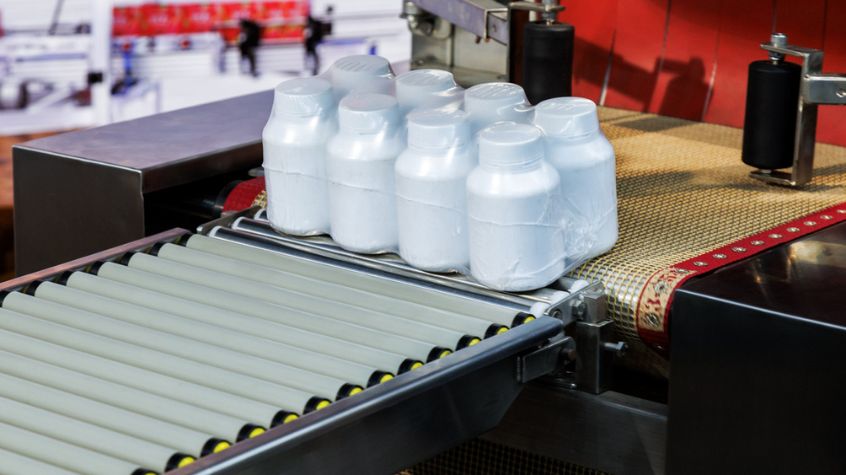
Packaging seal alignment problems often show up gradually, making them easy to overlook until scrap rates rise.
Indicators of alignment issues
- Seals drifting off center
- Inconsistent seal width
- Increased seal failures at higher speeds
Root causes
- Mechanical wear in guide systems
- Improper setup after maintenance
- Frame or conveyor misalignment
Recommended fixes
- Recheck machine setup after any adjustment
- Inspect guides and belts for wear
- Schedule alignment checks as part of routine maintenance
Packaging diagnostics that focus on alignment can restore consistency without major equipment changes.
How Does Equipment Condition Affect Shrink Packaging Quality?
Equipment condition plays a direct role in output quality. Small mechanical issues often create larger packaging defects over time.
Common equipment-related issues
- Loose components affecting film tracking
- Inconsistent conveyor motion
- Aging heating elements
Packaging maintenance tips
- Perform regular inspections of wear parts
- Replace components before failure occurs
- Document changes in performance trends
Many recurring seal and tracking issues get solved through design improvements and maintenance rather than repeated setting changes.
When Should You Perform Packaging Diagnostics or Audits?
Packaging diagnostics are most effective when used proactively rather than reactively. Audits help identify inefficiencies before they result in downtime.
Situations where diagnostics add value
- Rising scrap or rework rates
- New film or product introductions
- Repeated adjustments with no lasting improvement
Benefits of regular diagnostics
- Reduced unplanned downtime
- Improved material utilization
- More predictable production output
The long term impact of unresolved packaging problems often shows up as higher operating costs and supply chain disruptions.
How Does Packaging Design Influence Shrink Performance?
Sometimes the issue is not the machine or the film, but the overall packaging design. Design choices affect how heat, tension, and seals interact.
Design related challenges
- Excess film volume around products
- Inconsistent package dimensions
- Poor product orientation
Improvement strategies
- Reevaluate package sizing
- Reduce unnecessary film overlap
- Align design with equipment capabilities
Thoughtful packaging decisions that focus on packaging design reduce costs and material waste can significantly lower long term operating expenses.
A Practical Way to Reduce Downtime and Waste
Shrink wrap troubleshooting works best when you approach it systematically. By identifying seal issues, film performance concerns, tunnel temperature imbalances, and equipment condition early, you reduce downtime and material waste while improving package quality. Regular diagnostics, thoughtful maintenance, and informed design decisions keep your operation running smoothly and help you fix common shrink packaging issues before they escalate.
SPS70 helps you improve packaging reliability, reduce material waste, and keep production running smoothly with practical expertise and long-term support.
Learn more about us, see our coverage map, or contact us directly.