

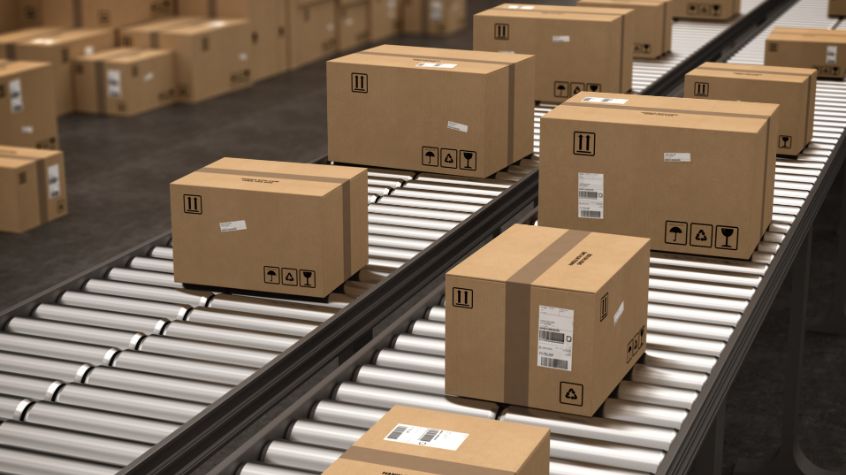
Global supply chains are entering a new phase shaped by smarter technology, sustainability, and regional adaptability. As 2026 approaches, companies are focusing on efficiency and resilience, rethinking how packaging, data, and operations connect. For packaging professionals, understanding 2026 supply chain strategies and trends will be essential to balancing cost control, environmental goals, and reliable product delivery.
What are the key supply chain predictions for 2026?
The most important supply chain predictions for 2026 point toward greater automation, data-driven forecasting, and a more regional structure. After years of disruption and rising costs, organizations are expected to rely more on AI, regional suppliers, and integrated logistics systems.
Supply chains in 2026 will have less globalization and more AI, and many brands are moving toward nearshoring to shorten lead times and reduce transportation emissions. Artificial intelligence will enhance supply chain execution by improving accuracy, visibility, and adaptability. This shift means businesses need packaging and sourcing models that support agility and sustainability across every stage of production.
How will AI reshape supply chain execution in 2026?
AI will reshape supply chain execution by transforming how companies plan, monitor, and respond to demand in real time. Predictive analytics will use current data to forecast inventory needs, detect bottlenecks, and automate replenishment decisions.
AI-driven tools will also support supply chain optimization by improving how packaging materials and inventory flow through the network. You can match material availability with production schedules, minimize emergency shipments, and achieve production cost reduction by preventing overbuying and waste.
How will companies monitor supply chain performance?
Supply chain monitoring will become a continuous, data-rich process in 2026. Sensors, IoT devices, and cloud analytics will track shipments, materials, and equipment throughout the network.
For packaging teams, monitoring extends to how designs and materials behave in transit. You can track compression failures, temperature fluctuations, and damage risk, then feed those insights into packaging material optimization or design improvements. This process reduces packaging waste while improving durability and efficiency.
How will sustainability shape packaging and logistics in 2026?
Sustainability will remain one of the strongest 2026 supply chain trends. Companies are expected to expand the use of environmentally conscious packaging that aligns with regulations, retailer expectations, and consumer preferences.
SPS70 helps clients evaluate packaging decisions through Sustainability & Environmental Impact, focusing on recyclability, weight reduction, and overall carbon footprint. Lighter, right-sized packaging reduces freight emissions and conserves materials, which strengthens both operational performance and brand reputation.
How can packaging design reduce waste and cost?
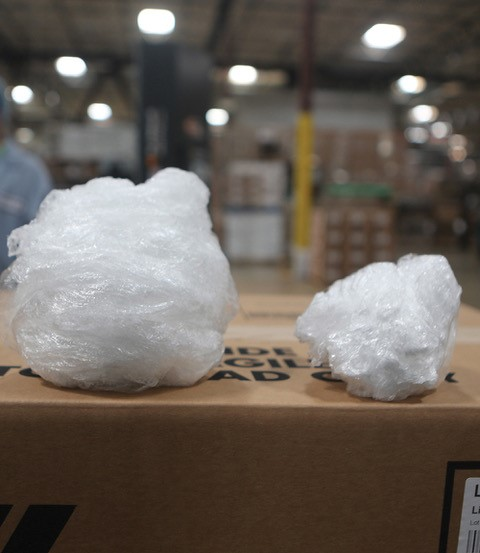
Packaging design plays a key role in reducing both material waste and production costs by aligning structure, materials, and supply chain requirements. When you right-size packaging, streamline components, and select appropriate substrates, you reduce packaging waste while maintaining product protection.
Design strategies include thinner board grades, efficient void reduction, and forms that stack or ship more compactly. These techniques lead to packaging cost reduction, lower storage needs, and improved pallet density. Supported by packaging optimization services, design improvements become a strategic lever for long-term savings and sustainability.
What is the role of cost analysis in future supply chains?
Supply chain cost analysis will become more integrated, combining material expenses, transportation costs, energy use, and labor data into one comprehensive model. Businesses will use this data to identify inefficiencies and forecast how packaging decisions influence profitability.
Through Cost / Source Reduction, SPS70 helps uncover opportunities for savings in materials, design, and logistics. When cost analysis connects with predictive AI data, it evolves from a static review into a continuous improvement process that drives smarter, faster decisions.
How will regionalization affect packaging and sourcing?
Regionalization and nearshoring will reshape packaging and sourcing by changing material availability, lead times, and supplier networks. Companies will produce and pack closer to their end markets, which reduces transit risk but requires more flexible designs.
Working with packaging optimization services allows teams to adapt packaging specifications quickly to meet local supply conditions while maintaining global brand consistency. This approach supports faster response times and enhances both sustainability and cost efficiency.
What can businesses learn from seasonal supply chain demands?
Seasonal peaks test how adaptable supply chains strategies and packaging systems really are. During high-demand periods like holidays, packaging efficiency directly affects fulfillment speed and customer satisfaction.
During peak seasons, packing products for the holiday rush becomes a real-world stress test for packaging and logistics, and flexible design, consistent specifications, and strong coordination help reduce bottlenecks while AI-based forecasting and monitoring keep supply chains moving smoothly all year.
Why will collaboration between packaging and supply chain teams matter more?
Collaboration between packaging engineers and supply chain leaders will matter more than ever as systems grow more intelligent and regionally distributed. Decisions about material type, package size, and pallet configuration directly affect freight efficiency, damage rates, and inventory optimization.
By integrating packaging optimization services with supply chain optimization, companies can coordinate modeling, sustainability goals, and cost planning. This alignment supports environmentally conscious packaging and drives measurable production cost reduction.
How should businesses align strategies today?
To stay ahead of 2026 supply chain trends, align packaging strategies with real-time operational data and sustainability goals. That means connecting packaging specifications with transportation models, carbon tracking, and risk analysis.
Forward-thinking companies are already investing in smart materials, AI-assisted forecasting, and supply chain optimization systems that link packaging performance directly to logistics efficiency. These steps help achieve long-term packaging cost reduction, improve sustainability results, and build resilience against global disruptions.
For guidance on connecting packaging innovation with evolving supply chain strategies, contact us to learn how SPS70 can help you strengthen efficiency, reduce waste, and improve sustainability in 2026 and beyond.